Open 24/7
Pinecrest
11000 Red Rd, Pinecrest, FL 33156
Get directions (opens in a new tab) Powered by

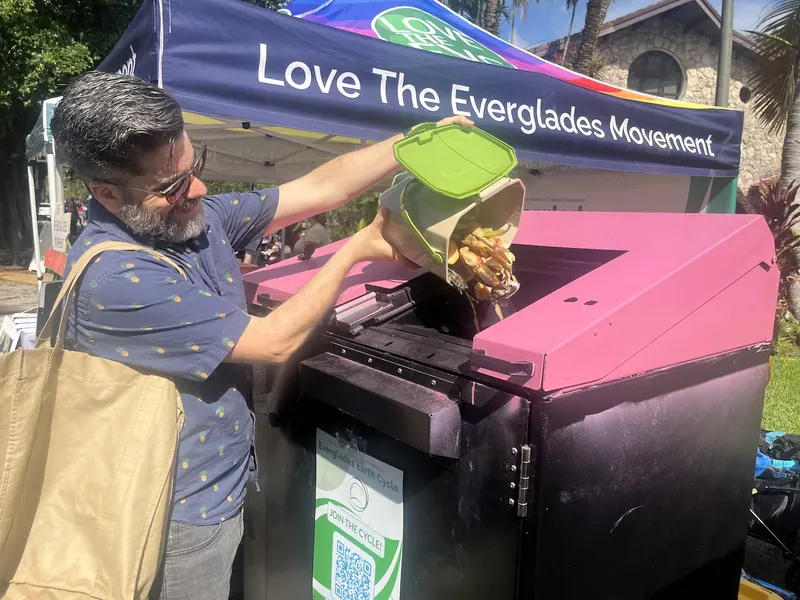
Everglades Earth Cycle community compost-collection sites are being deployed around South Florida — in parks, libraries, government buildings and other high-density, free-access hubs — in a USDA grant-funded partnership. No backyard needed.
4
community compost collection sites installed
7
new sites launching in the next six months
153,000
pounds of food diverted from residences
How it works
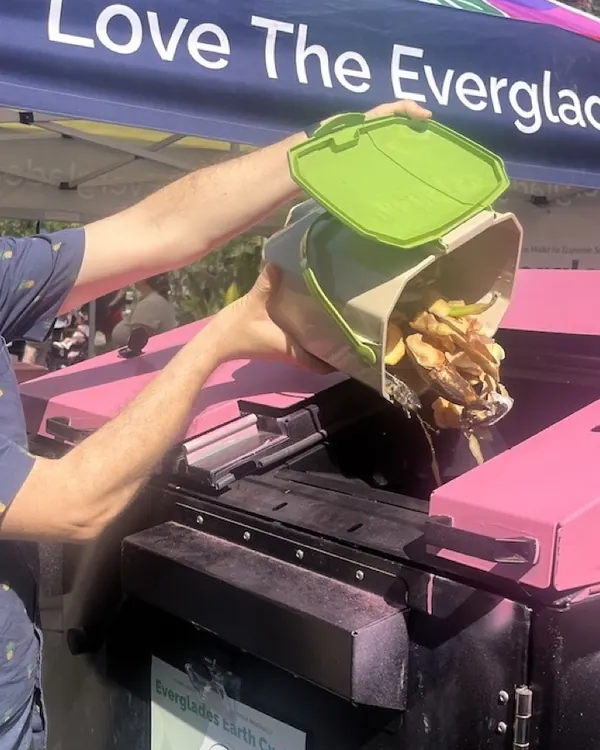
Step 1
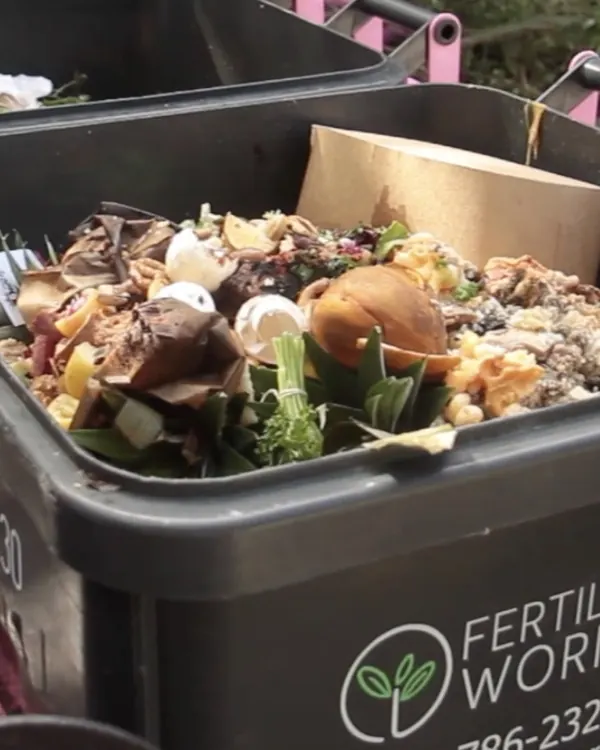
Step 2
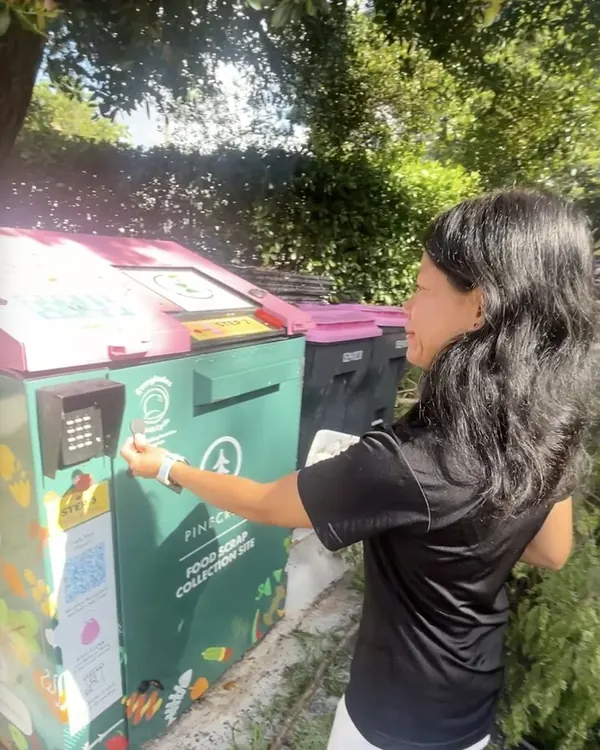
Step 3
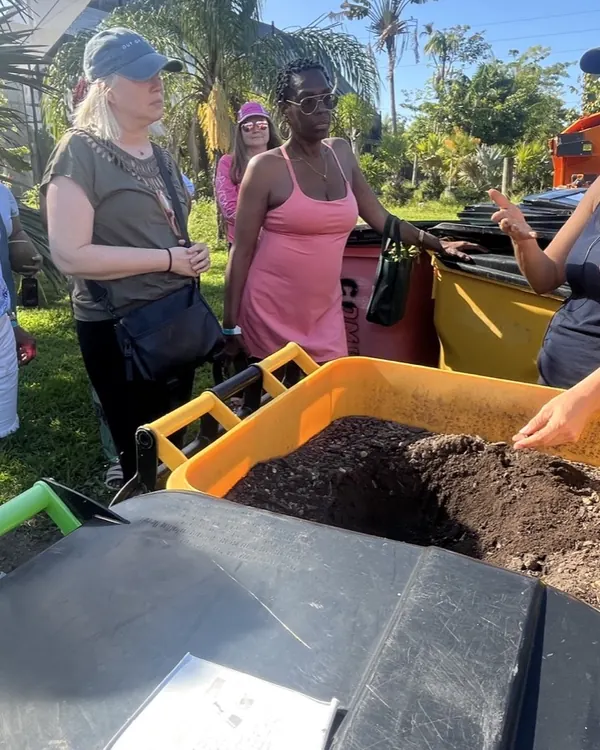
Step 4
Community compost hubs
Bring your food scraps any time, day or night.
11000 Red Rd, Pinecrest, FL 33156
Get directions (opens in a new tab)8200 SW 124th St, Pinecrest, FL 33156
Get directions (opens in a new tab)Miami Beach, FL
Get directions (opens in a new tab)SW 152nd Ave & SW 264th St, Homestead, FL
Get directions (opens in a new tab)What to bring
Fruit and veggie peels, leftovers, meat, dairy, bones, moldy bread, stale crackers — all food scraps are welcome.
Join for free
Create your free Everglades Earth Cycle account, then bring your scraps to any hub.
Questions
Yes. Most people discourage composting animal by-products because, done incorrectly, it can attract pests. But any food leftovers can be safely deposited in our compost hubs — many participants with home compost systems use our hubs for exactly this reason.
Yes and no. Brown paper and cardboard are generally safe, and greasy pizza boxes that can’t be recycled can be composted — please break them into smaller pieces.
Napkins and paper towels are trickier because of bleach. Brands made from recycled paper often say “whitened without chlorine bleach” on the packaging; that is the only white paper you can safely compost. Bleach breaks down into dioxin, which takes a long time to work its way out of the soil. Glossy magazine paper is also prohibited. If in doubt, throw it out.
Unfortunately, no. We don’t accept any “compostable products,” including bags, cups, plates and cutlery. Many contain PFAS (“forever chemicals”) or break down into microscopic bits of plastic. Food only. If your bin gets smelly, store it in the fridge or freezer during the week — and putting a stinky container in the freezer after cleaning gets rid of the worst smells.
Unfortunately, no. They may visually break down but can contaminate the finished compost, so we err on the side of caution and prohibit all compostable products.
Flowers from your garden are fine, but store-bought flowers are sprayed with so many pesticides and fertilizers that they can kill the microbes that do the actual work of composting.
Not yet. Our community drop-off hubs are free, and we’re exploring residential pickup partnerships. Join the pickup interest list and we’ll follow up as partnerships take shape.