Project updates from our composting pilot with Miami-Dade County, plus the research shaping how South Florida handles food scraps — in plain English, with a link to every source.
From the farm
The Miami-Dade composting pilot
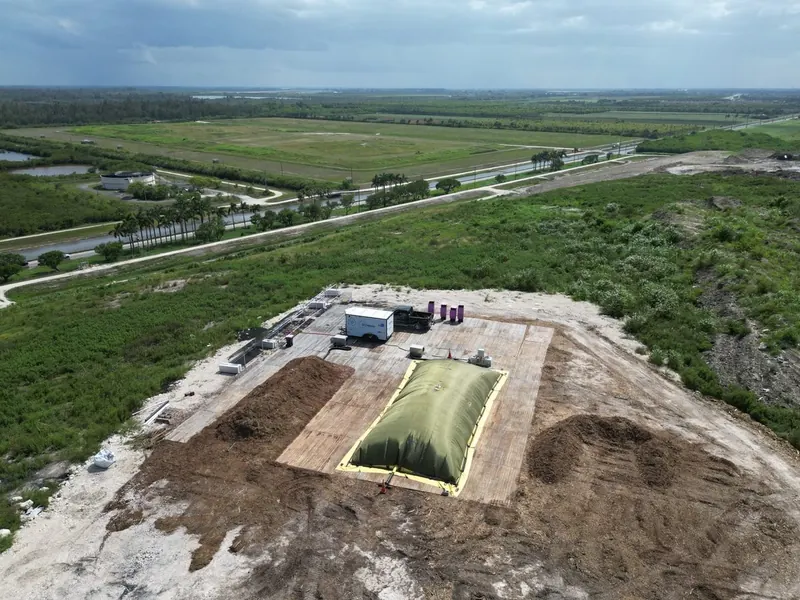
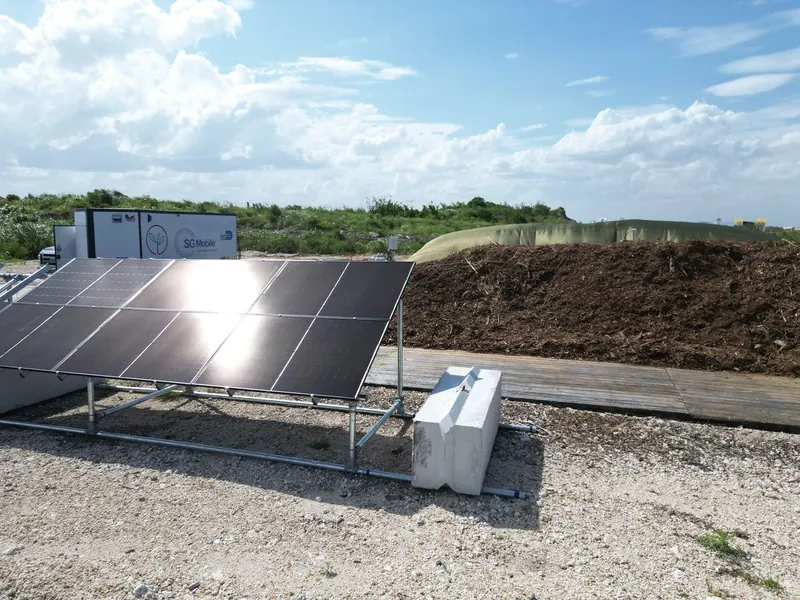
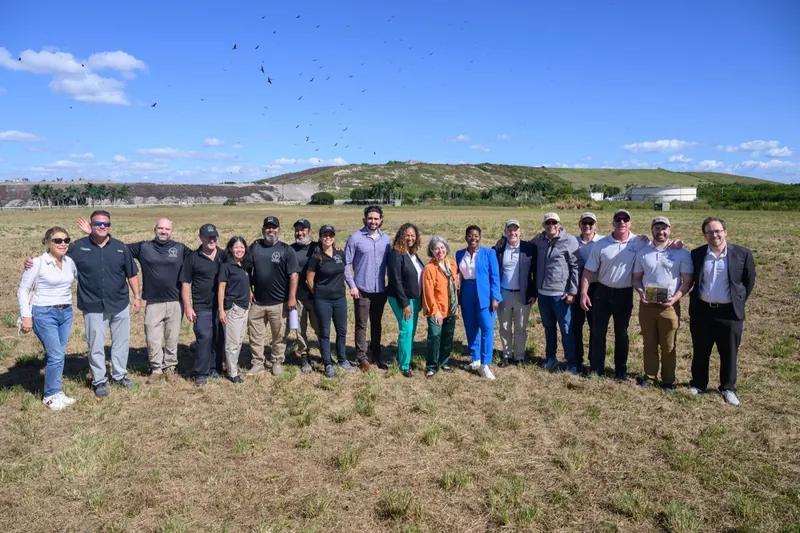
Fertile Earth’s updates from “Compost Zone One” on top of the South Dade Landfill.
Peer-reviewed studies and government research behind the way we work. Each summary links to its source.
Peer-reviewed meta-analysis · 2019
Vermicompost measurably boosts plant growth
Pooling published experiments, researchers found vermicompost raised commercial yield by 26% on average, total plant biomass by 13%, shoot biomass by 78% and root biomass by 57%. Effects were strongest when vermicompost made up 30–50% of the growing medium and no mineral fertilizer was added. The authors also caution that studies reporting large effects are over-represented in the literature.
Why it matters here: Worm castings are what our vermicomposting systems produce for South Florida gardens and farms.
Blouin M., Barrere J., Meyer N., Lartigue S., Barot S., Mathieu J. “Vermicompost significantly affects plant growth. A meta-analysis.” Agronomy for Sustainable Development 39, 34 (2019).
Food is the largest source of escaping landfill methane
Food makes up about 24% of the municipal solid waste disposed of in U.S. landfills, and because it decays quickly it produces more methane than any other landfilled material. EPA estimates that 58% of the methane escaping municipal landfills — rather than being captured — comes from landfilled food waste.
Why it matters here: Every pound we route to people, animals or compost avoids that methane at the source.
U.S. Environmental Protection Agency. Quantifying Methane Emissions from Landfilled Food Waste (October 2023).
EPA’s Wasted Food Scale, built on its 2023 report From Field to Bin (which assessed 11 common pathways), ranks preventing waste, donating food and upcycling it as the most preferred options because they keep food nourishing people. Landfilling, incineration and sending food down the drain rank last, with the largest environmental impacts.
Why it matters here: It is the same order we work in: people first, animals next, then soil — landfill last.
U.S. Environmental Protection Agency. “Wasted Food Scale” (page last updated September 16, 2026).
Why “compostable” containers can contaminate compost
Researchers measured perfluoroalkyl acids — breakdown products of PFAS “forever chemicals” — in finished compost from 10 commercial facilities. Compost from the seven facilities that accepted compostable food packaging held roughly 29–76 micrograms per kilogram; compost from facilities that did not accept it held under 8.
Why it matters here: It is one reason our community hubs accept food only — no compostable plates, cups, cutlery or bags.
Choi Y.J., Kim Lazcano R., Yousefi P., Trim H., Lee L.S. “Perfluoroalkyl Acid Characterization in U.S. Municipal Organic Solid Waste Composts.” Environmental Science & Technology Letters 6(6):372–377 (2019). Figures as reported by Science News, June 4, 2019.
In a UF/IFAS outdoor container study, sandy soil amended with compost — especially compost plus biochar — held substantially more water and dried more slowly between irrigations than sand alone. The researchers note the amendments don’t cure citrus greening (HLB), but improve conditions around the roots that remain.
Why it matters here: Most Florida citrus groves sit on sandy soils with very little organic matter — the gap compost is made to fill.
Vashisth T., Neupane A., Livingston T. (UF/IFAS). “Improve Water and Nutrient Retention With Compost and Biochar.” Citrus Industry, March 10, 2026.