Free Zero Waste 101 for Miami-Dade businesses · Tue, Oct 13 Save your seat

Farms · rescues · sanctuaries

Farm & agricultural composting in South Florida

Two programs for local farms and animal sanctuaries: make your own compost with a regular supply of nitrogen-rich food scraps, or receive recovered food as animal feed for a token fee.

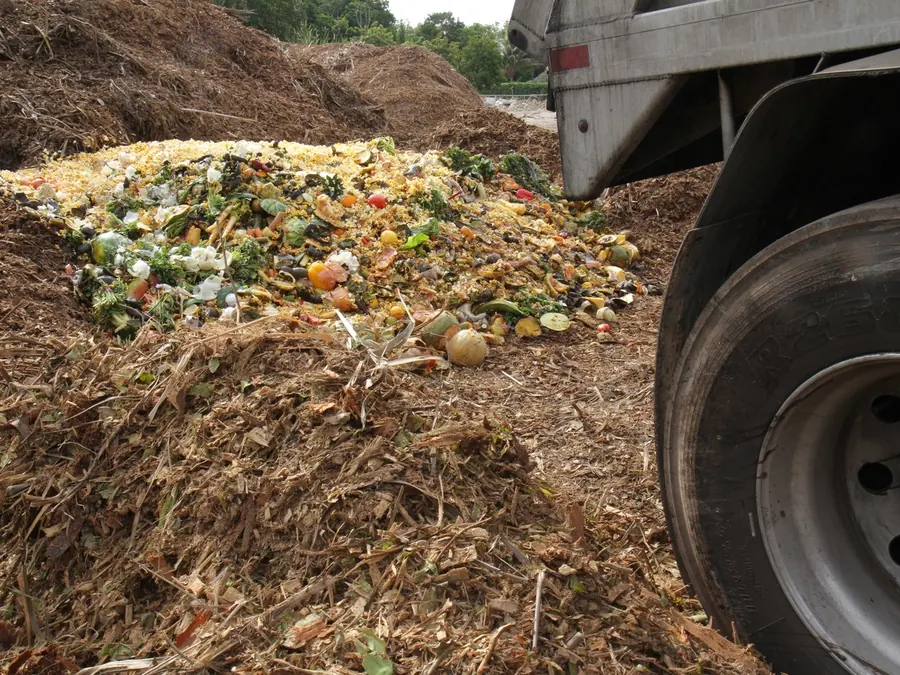
Food scraps unloaded onto a mulch windrow for on-farm composting

Put good food to its highest and best use

Two programs. One local loop.

South Florida farmers know two problems well: rising agricultural inputs, and an enormous amount of valuable organic material being thrown away. Our approach is simple — use food where it can do the most good.

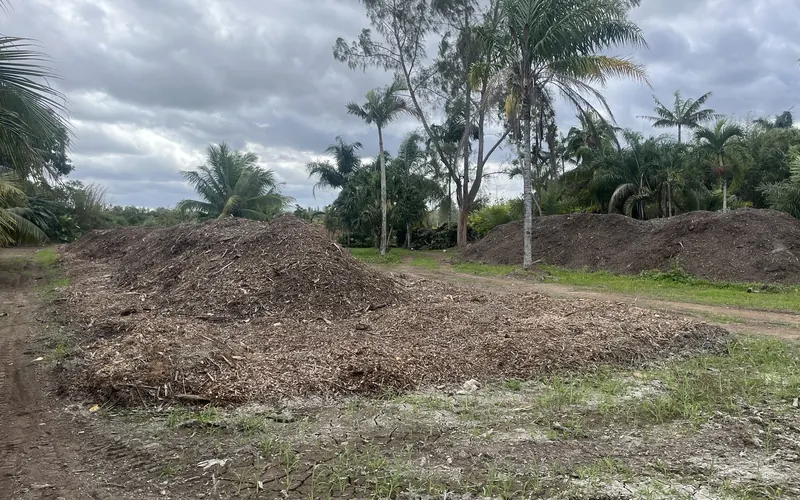
Long compost windrows on a South Florida farm
GROW program

Food scraps to soil

Most South Florida farms have plenty of mulch and other carbon-rich material. Add nitrogen-rich food scraps and you have the essential ingredients for making compost right on the farm.

For a minimal fee per truckload, participating farms receive a consistent source of organic material that can help build healthier soil, reduce fertilizer inputs and keep valuable nutrients out of the landfill.
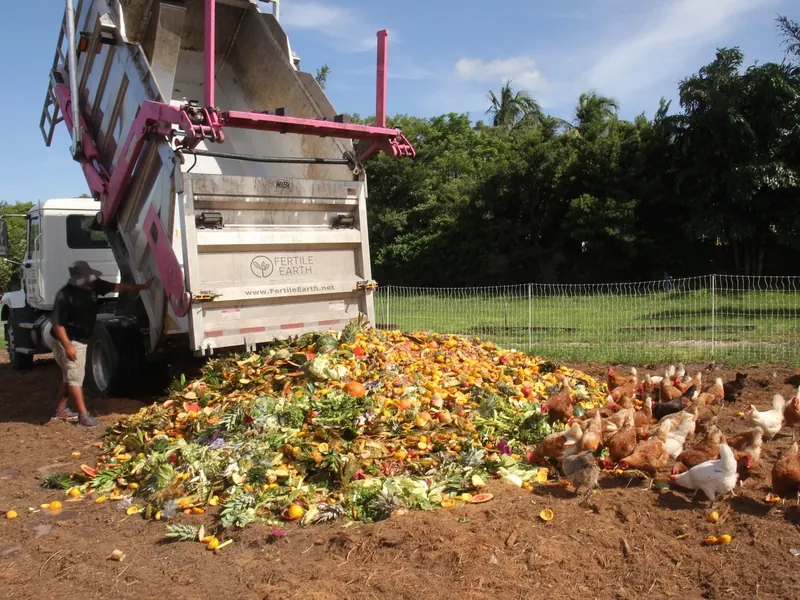
A Fertile Earth truck delivering recovered produce on a Palm Beach farm while chickens feed
FEED program

Food scraps to animals

Some recovered food has an even higher use: feeding animals. Animal farms, rescues and sanctuaries can receive regular deliveries of suitable recovered food — for a token delivery fee, we reroute collection trucks to participating farms, providing large quantities of food for pennies on the pound.

We’re especially looking for regular recipients who can accept roughly 2,000–10,000 pounds per delivery.

Food first. Animals when appropriate. Soil next. Landfill last.

The real cost of building soil

Black gold for pennies on the dollar

For a small farm, monthly spending on soil amendments and fertilizers can easily run $300–$800 or more, depending on acreage and crops. There’s another path: compost nitrogen-rich food scraps on site with the mulch you already have. You keep control of the process and spend far less than hauling in finished amendments.

Typical South Florida prices for bought-in amendments

Typical South Florida prices for soil amendments
Commercial compost$20–$50 per cubic yard
Organic fertilizers$200–$440 per application for an average field
Screened topsoil$20–$40 per cubic yard
Manure-based amendments$30+ per cubic yard

Figures as published by Fertile Earth; prices vary by supplier and season.

First in Palm Beach County for Food-to-Food Recycling

Fertile Earth is the first company authorized by the Solid Waste Authority of Palm Beach County to collect eligible pre-consumer vegan food scraps and deliver them directly to participating animal farms as feed.

Read the release

Request details

Ready to improve your soil?

Tell us about your farm, your animals and how much material you can take, and we’ll be in touch.

Questions

Farm partnership FAQ

What exactly will I receive in each truckload?

High-quality food scraps from our commercial partners — vegetable trimmings, fruit scraps, coffee grounds and other food items. All material is pre-screened to make sure it’s suitable for composting.

Do I need composting experience to participate?

Not at all. Training is part of onboarding: we’ll walk you through best practices for receiving, managing and composting the material to create the right soil amendments for your farm.

How often will I receive deliveries?

We’re building a network of farms that can take 2,000–10,000 pounds of food on a weekly basis, but we’re always open to discussing alternatives.

Is there a contract or minimum commitment?

Call us at (786) 232-3002 — we would love to discuss your particular needs.

What kind of training is included?

Onboarding covers composting technique, managing moisture and carbon-to-nitrogen ratios, troubleshooting common issues, and getting the most nutrition into your finished compost. We also offer consulting services and yearly workshops taught by nationally recognized experts in the field.