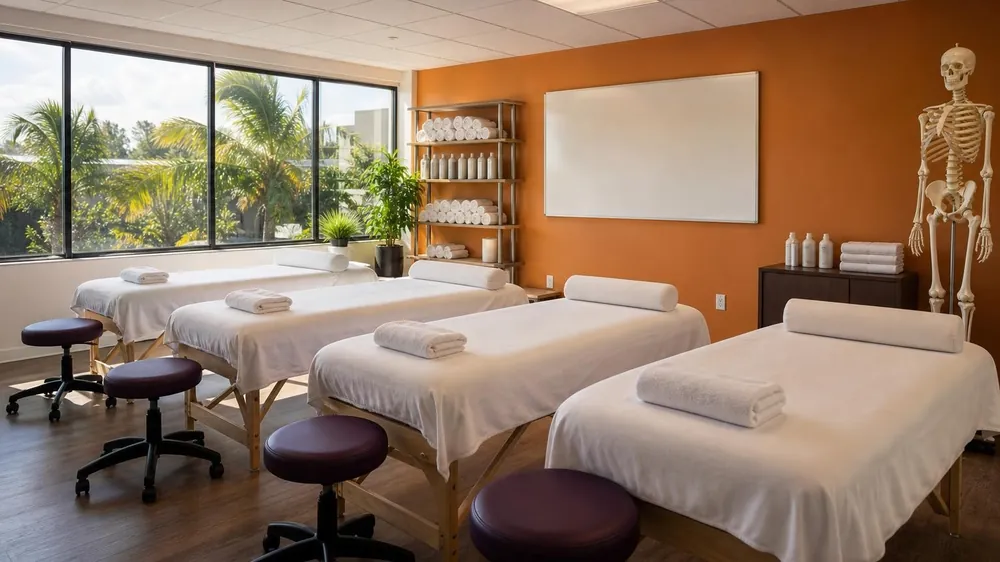
Health & wellness
Massage Therapy
600 clock hours · 7 months (33 weeks)
Hands-on clinical training in massage techniques, hydrotherapy and allied modalities.
View program
(Skilled trades)
Diploma programFoundational skills and knowledge for entry-level roles in the electrical industry, combining theory with hands-on experience on residential and commercial electrical projects.
(The program)
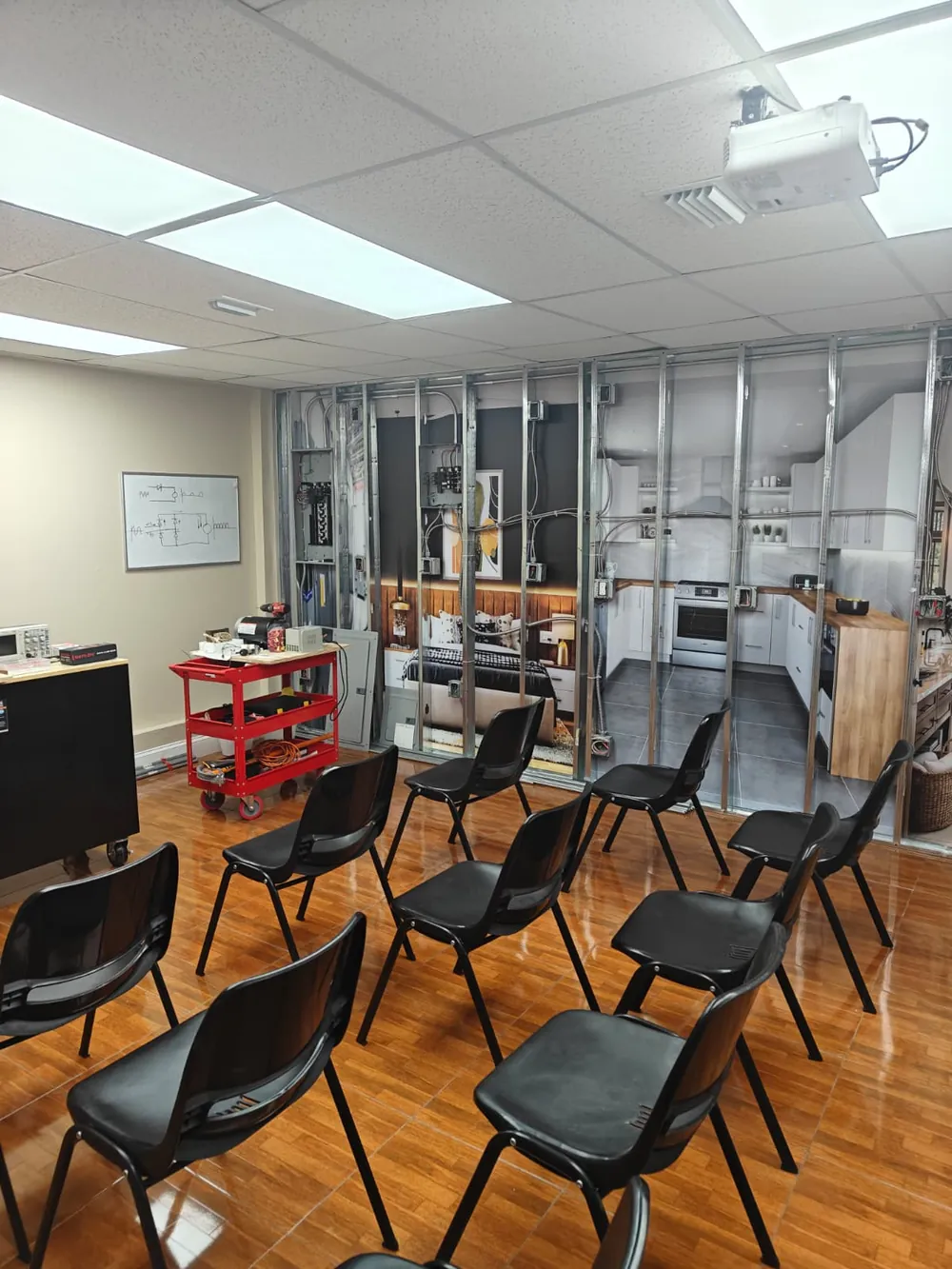
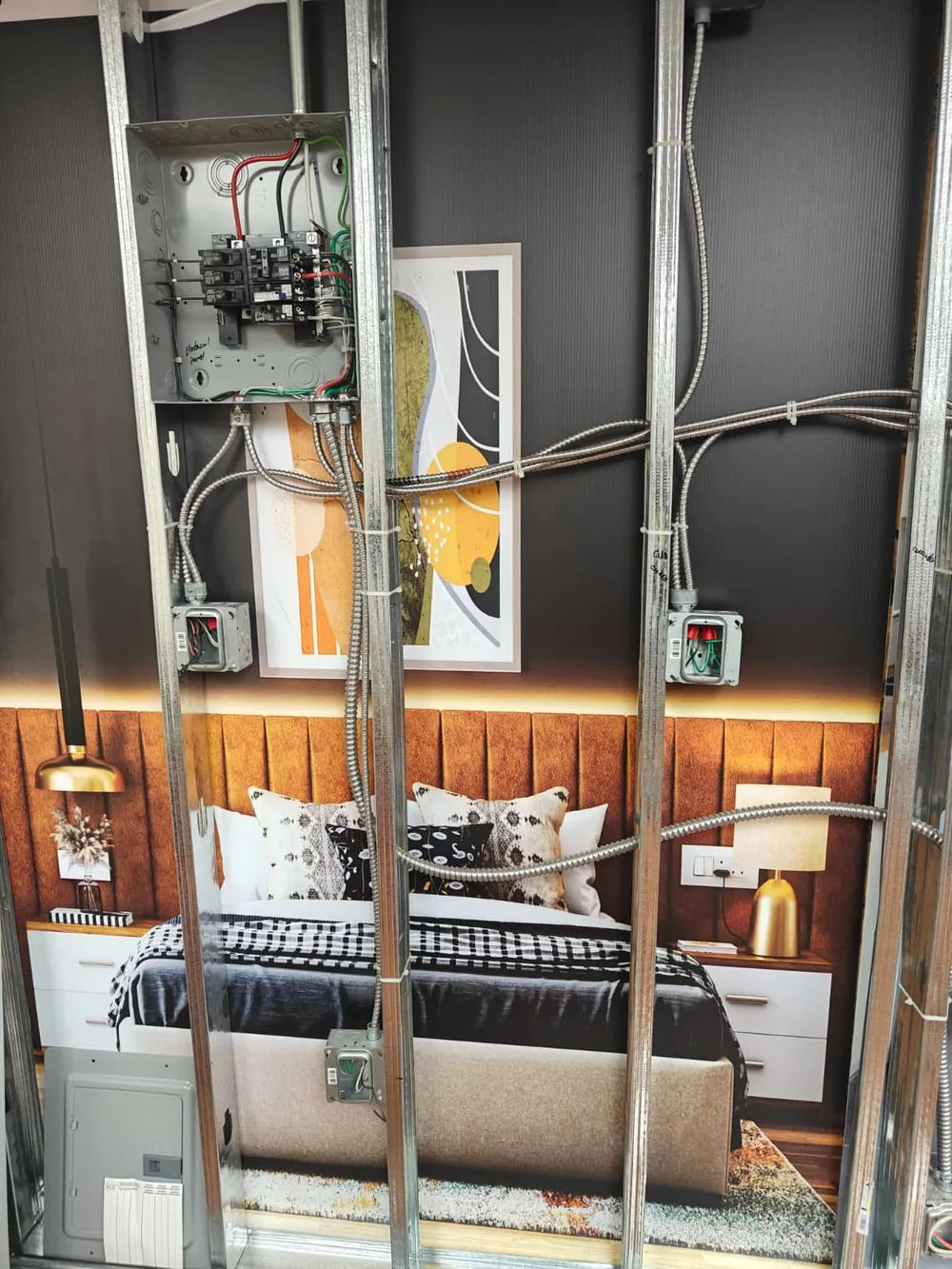
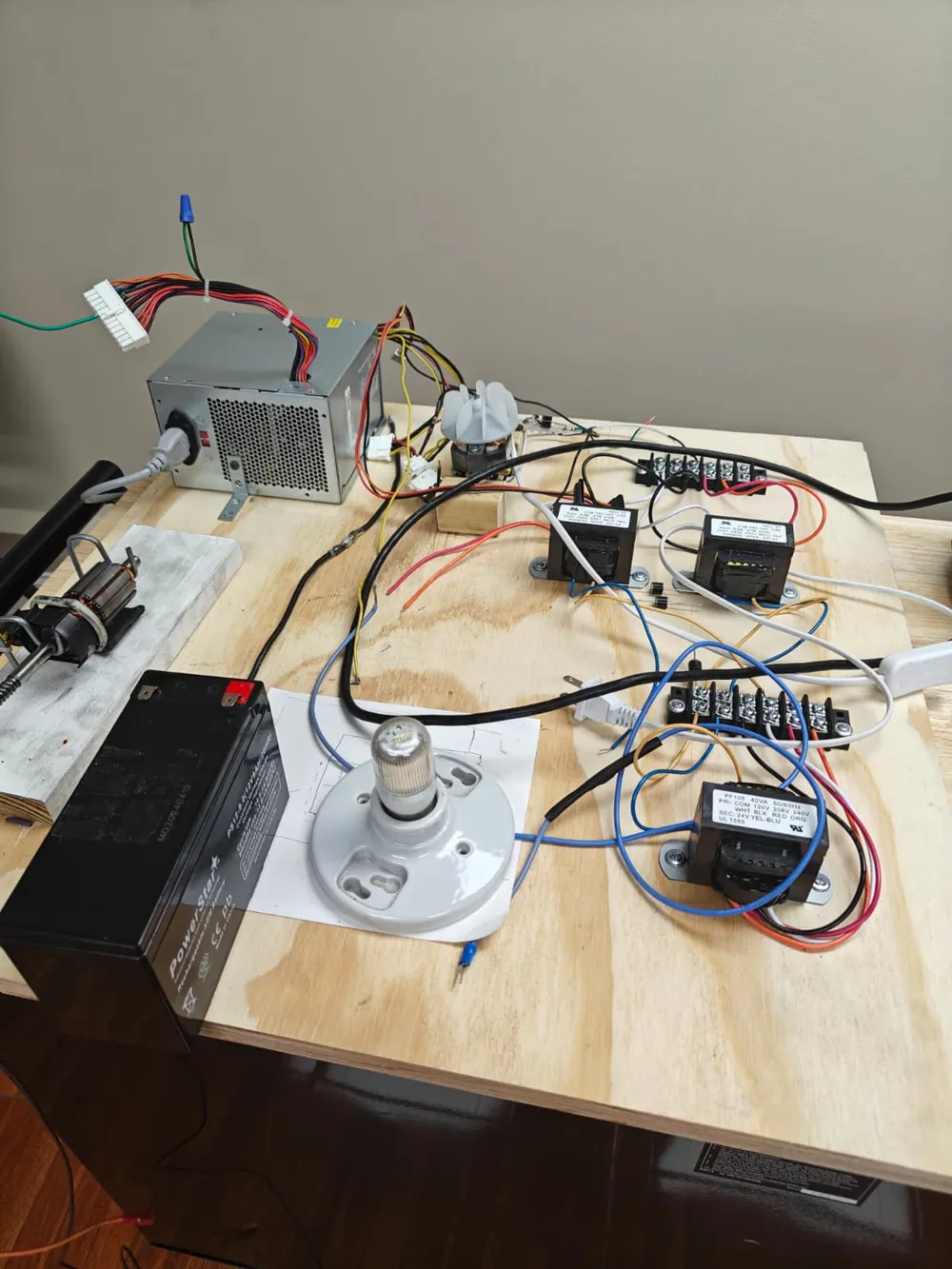
A blend of online theory and on-campus lab work for Spanish and English speakers, covering the fundamentals of electricity, residential and commercial wiring methods, and compliance with the National Electrical Code, from basic electrical concepts and motor applications to advanced wiring techniques and fire alarm systems.
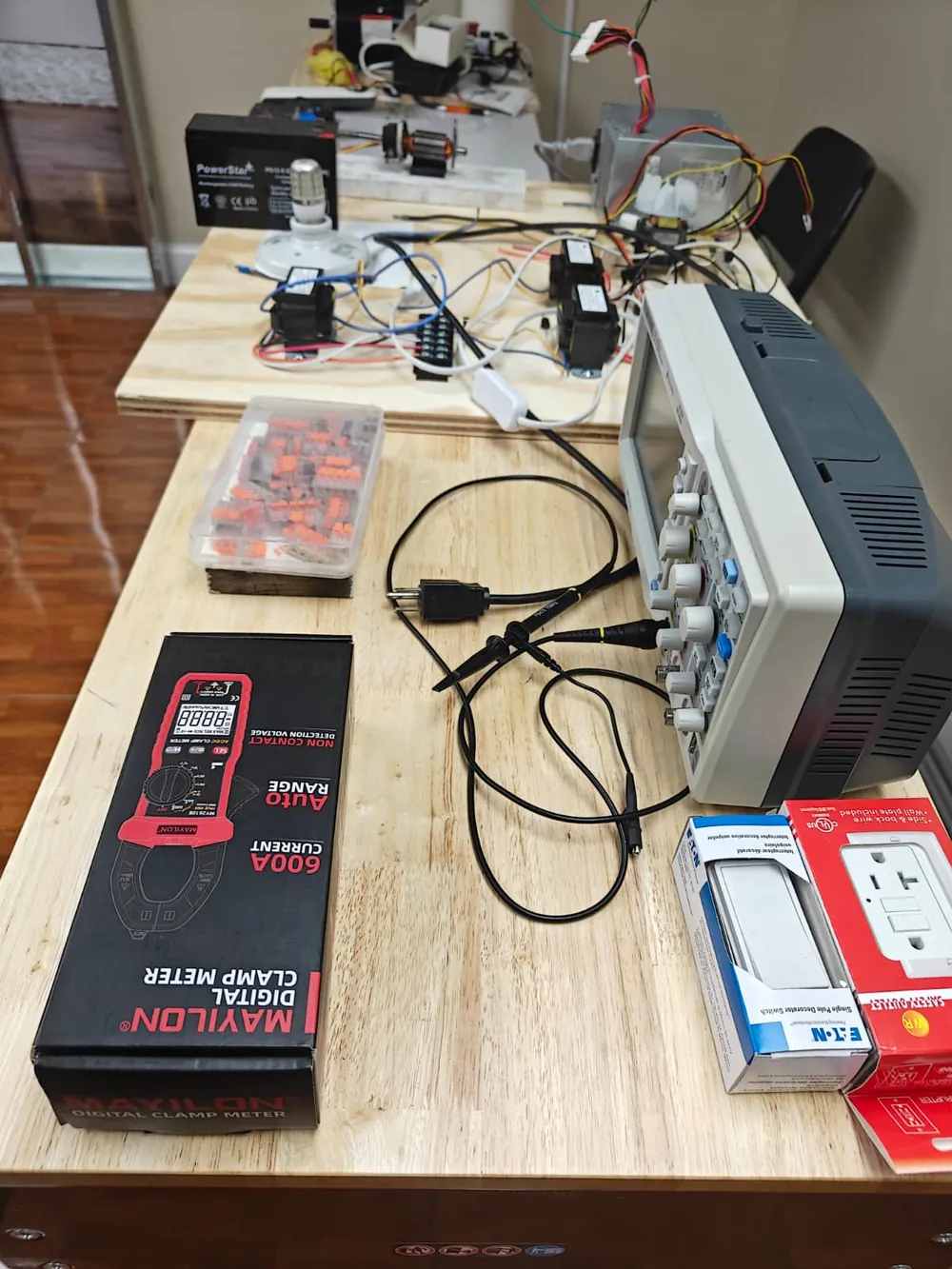
Each course integrates practical lab sessions, with an emphasis on safety, industry standards and current technologies: troubleshooting, installing and maintaining electrical systems.
Completing a Course or Program in a Language Other Than English May Reduce Employability Where English is Required.
(Program outline)
Open a course to see what it covers and how its hours split.
Electricity and magnetism, simple circuits, Ohm’s and Kirchhoff’s laws, AC and DC circuit problems, wire sizes, protection, fuses, breakers and transformers. In the lab: the ohmmeter and the ammeter.
Semiconductors, control systems and devices, sensors, electric drives and schematic diagrams for diagnosis and troubleshooting.
Electrical diagrams and circuitry of heating, air conditioning and refrigeration units; compressors, relays, thermostats and overload protectors.
Electrical motors, applications, diagrams, automatic controls, variable speed motors and troubleshooting.
Residential loads, branch circuits, services, lighting and protection under the National Electrical Code; load calculations; lab work with panel boards, wiring devices, luminaires, breakers and fuses.
Receptacles, switches, fans and lighting throughout the home; laundry-area outlets; NFPA 74 and NEC rules for smoke, heat and security systems; service-entrance sizing; hazards around pools.
Planning typical commercial installations: from load requirements to branch circuits, feeders and the primary electrical service.
Commercial installations continued, emergency power systems and short-circuit calculations for protection and coordination.
The technical and legal aspects of the NEC: overcurrent protection, transformers, motors and controllers.
Grounding, remote control, signaling, computer and communications systems, branch circuits and feeders, commercial and industrial calculations, and hazardous locations.
Estimating electrical projects: the estimating process, bids, bid analysis and break-even cost, ending in a computerized estimating project.
Electrical working drawings, layouts, symbols and specifications; building plans, elevations, sections and details; schematic, one-line and power-riser diagrams.
Fire alarm codes and regulations, and hands-on installation, commissioning and troubleshooting.
Installing, maintaining and troubleshooting low voltage systems.
420 online + 300 lab = 720 clock hours, plus 280 hours of out-of-class work (44 credit hours)
(On campus)
(Cost)
From the Florida Professional Institute catalog. The registration fee is $150.00 in every program.
(Ways to pay)
Health & wellness
600 clock hours · 7 months (33 weeks)
Hands-on clinical training in massage techniques, hydrotherapy and allied modalities.
View program
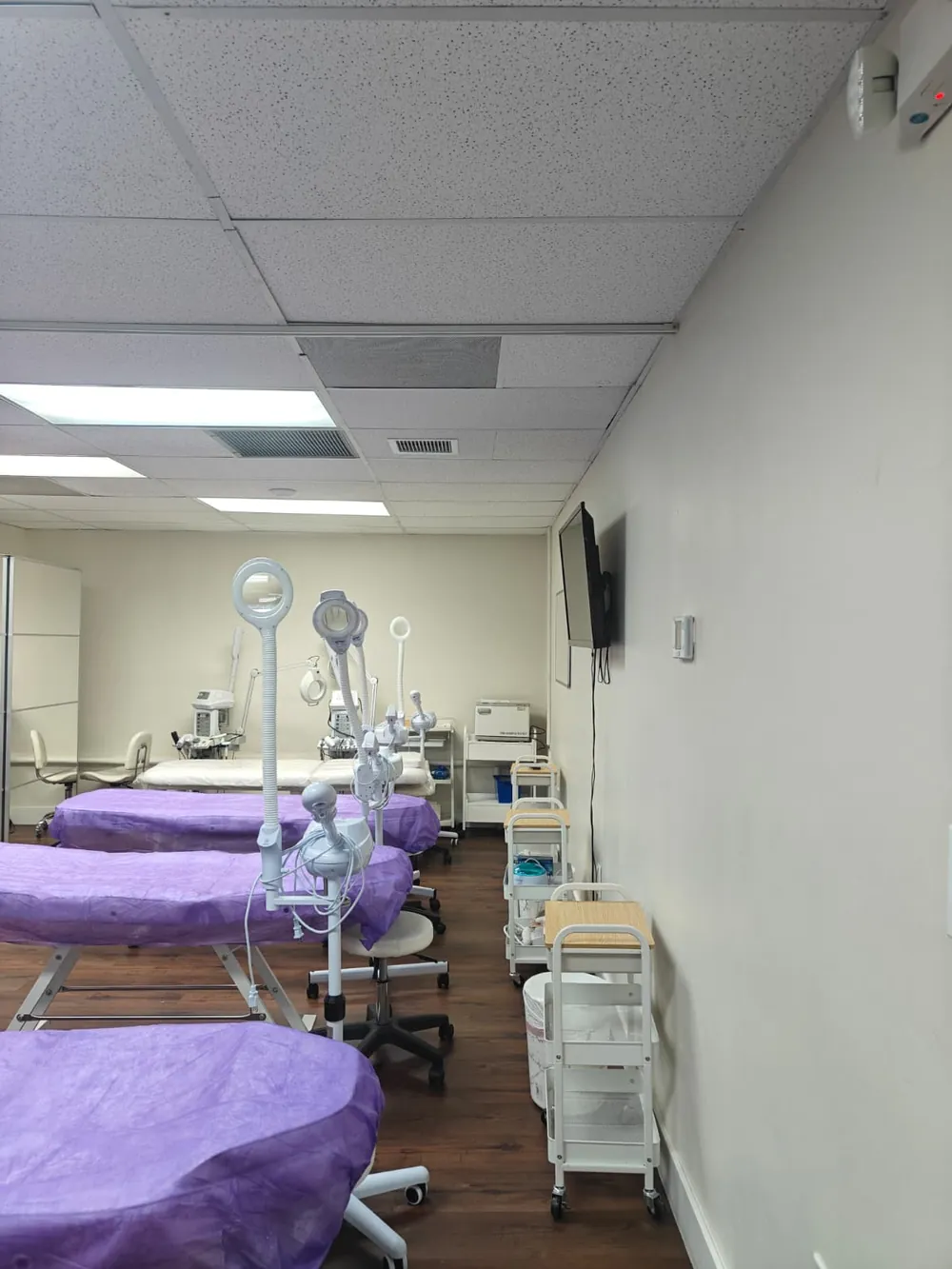
Skin care
260 clock hours · 3.25 months
Skin theory, facial techniques, product chemistry, hair removal and makeup application.
View program
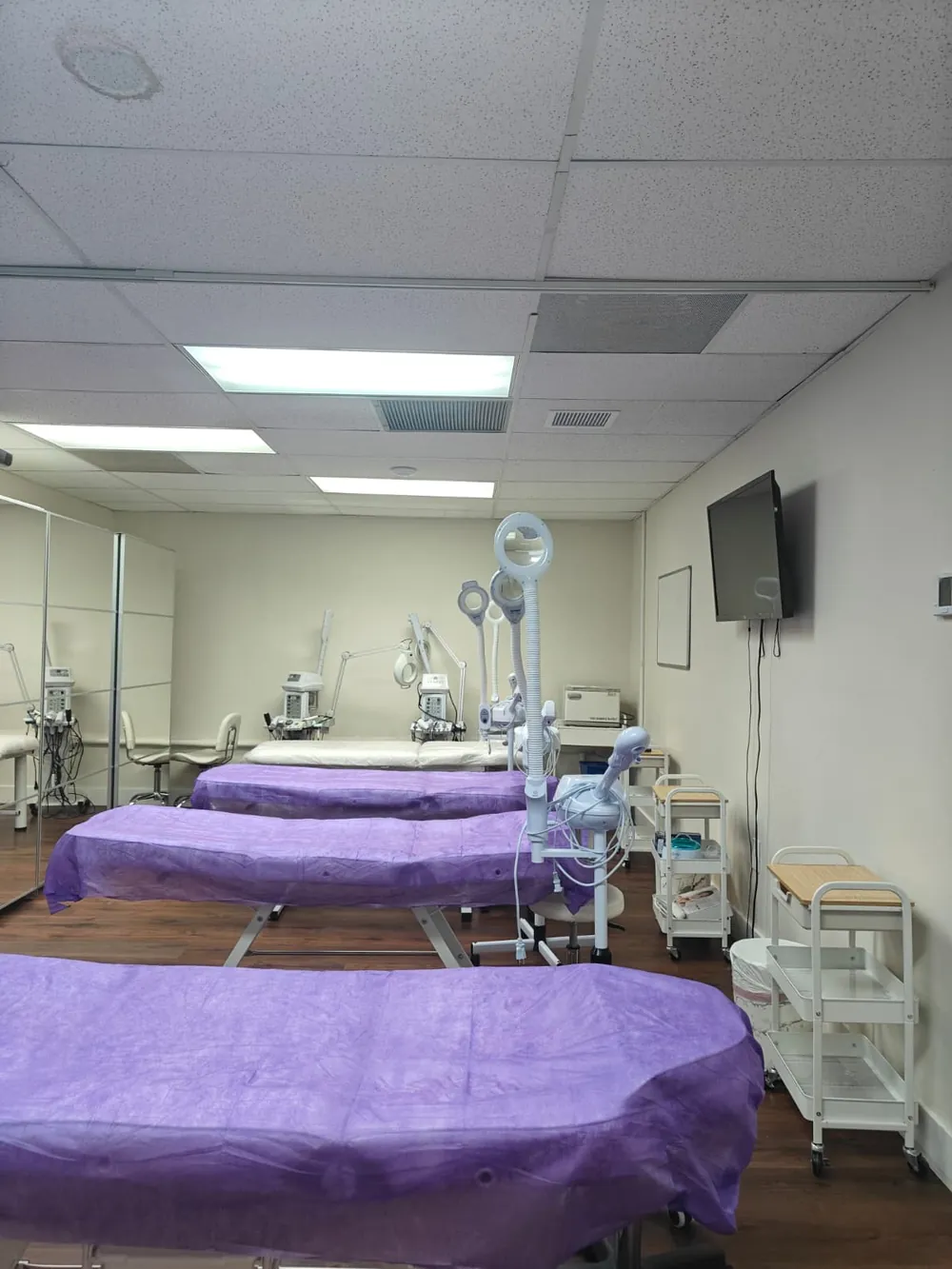
Skin care
360 clock hours · 4.5 months
Advanced facial machines, energy and frequency, lash and brow, and body sculpting.
View program
Visit the campus, meet the admissions team and tour the labs. Classes run mornings, afternoons and evenings.